Tiger Head Logo Mascot: A Strategic Asset for Team Identity and Brand Power
In the competitive landscape of sports branding, e-sports, and organizational identity, few symbols command immediate respect and recognition quite like a tiger. The Tiger Head Logo Mascot serves as more than just a decorative graphic; it is a strategic visual anchor that communicates strength, aggression, and leadership at a glance. For designers, team managers, and brand directors, securing a high-quality mascot asset is often the first step in building a cohesive visual identity. Whether you are outfitting a college football team, launching an e-sports league, or rebranding a local club, understanding how to leverage this specific type of vector art is essential for creating a lasting impression.
Defining the Tiger Head Logo Mascot in Modern Design
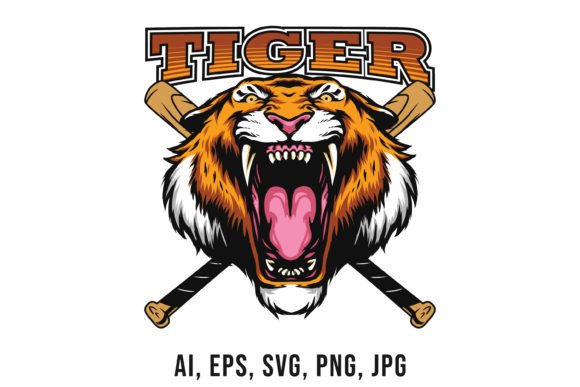
At its core, a Tiger Head Logo Mascot is a specialized illustration focused on the facial features and expression of the animal. Unlike full-body illustrations, the head-centric design prioritizes emotional connection and scalability. This format captures the essence of the predator—the intense gaze, the bared teeth, and the powerful jawline—without the visual clutter of limbs or background scenery. This isolation makes the graphic exceptionally versatile.
When sourcing or commissioning this asset, professionals typically look for comprehensive file packages including AI, EPS, SVG, PNG, and JPG formats. The vector files (AI, EPS, SVG) are critical for large-scale applications like stadium banners or vehicle wraps, ensuring the lines remain crisp regardless of size. Conversely, raster formats like PNG with transparent backgrounds are indispensable for digital use, social media avatars, and merchandise mockups. The availability of these multiple formats ensures that the tiger head symbol remains consistent across every touchpoint of your brand ecosystem.
Addressing Common Branding Challenges
Organizations often face significant hurdles when establishing a visual identity. One primary challenge is balancing uniqueness with instant recognizability. A generic cat icon may fail to convey the necessary intensity for a contact sport, while an overly complex illustration might lose detail when embroidered on a cap or printed small on a business card. The Tiger Head Logo Mascot solves this by offering a concentrated focal point that retains detail even at reduced sizes.
Another frequent issue is cross-platform adaptability. Teams and brands need assets that work equally well on a dark jersey, a light website header, and a vibrant mobile app interface. Because high-quality tiger mascot vectors are built with layered elements, designers can easily adjust colors, remove backgrounds, or modify expressions to suit different contexts without redrawing the entire character. This flexibility reduces production time and costs, allowing organizations to respond quickly to tournament announcements, seasonal changes, or marketing campaigns.
Practical Applications Across Industries
The utility of a fierce tiger emblem extends far beyond traditional athletics. Understanding where and how to apply this imagery can maximize its impact.
Sports and Athletic Clubs
For baseball, football, and basketball teams, the mascot represents the collective spirit of the squad. An angry or determined tiger face acts as a badge of honor for players and fans alike. In this context, the design often incorporates vintage styling or bold outlines to evoke a sense of tradition and legacy. The mascot becomes the centerpiece of uniforms, warm-up gear, and fan merchandise, fostering a sense of belonging and intimidation on the field.
E-Sports and Gaming Leagues
The digital arena demands a slightly different aesthetic. E-sport organizations often prefer tiger head logos with neon accents, cybernetic overlays, or stylized geometric shapes. Here, the symbol signifies precision, speed, and competitive dominance. Because e-sports branding lives primarily on screens, the ability to animate the vector mascot or integrate it into stream overlays is a massive advantage. The isolated head format fits perfectly within circular profile pictures and square thumbnails used on platforms like Twitch and YouTube.
Corporate and Educational Institutions
Colleges and businesses utilize the tiger as a symbol of excellence and resilience rather than pure aggression. In these settings, the mascot design might be tempered to appear more noble or protective. It serves as a unifying sign for alumni associations, student bodies, or corporate safety teams. The association with wildlife and nature also allows these organizations to tie their branding to environmental initiatives or outdoor programs seamlessly.
Selecting the Right Style for Your Audience
Not all tiger mascots are created equal, and choosing the wrong style can alienate your intended audience. When evaluating a Tiger Head Logo Mascot template or custom design, consider the following stylistic distinctions:
- Vintage and Retro: Characterized by textured shading, muted color palettes, and classic typography. Ideal for heritage clubs, craft breweries, or apparel brands seeking a nostalgic feel.
- Modern and Minimalist: Features clean lines, flat colors, and negative space. Best suited for tech companies, modern e-sports teams, and apps requiring high legibility at small sizes.
- Aggressive and Detailed: Focuses on realistic fur texture, sharp teeth, and dynamic angles. Perfect for combat sports, fitness brands, and competitive leagues where conveying danger and power is paramount.
- Cartoon and Friendly: Uses rounded shapes and expressive eyes. Appropriate for youth leagues, elementary schools, and family-oriented community events.
By aligning the artistic style with your organizational goals, you ensure the mascot functions as an effective communication tool rather than mere decoration.
Technical Considerations for Implementation
To get the most out of your tiger head graphic, technical proficiency is just as important as creative vision. Always prioritize obtaining source files. While a JPG is fine for a quick preview, professional printing requires vector paths. If you are using a pre-made template, verify that the layers are organized logically. A well-structured AI or EPS file will have separate layers for the outline, fill colors, shadows, and highlights. This organization allows for rapid recoloring to match specific team uniforms or sponsor requirements.
Additionally, consider the negative space around the mascot. Even though the asset is labeled "isolated," the shape of the tiger head dictates how text and other elements wrap around it. A symmetrical front-facing tiger offers stability and works well centered above wordmarks. A profile view suggests motion and forward momentum, making it ideal for directional signage or sleeve patches. Testing the mascot in various layouts before finalizing your brand guidelines prevents costly redesigns later.
Maximizing Impact Through Consistency
Ultimately, the success of a Tiger Head Logo Mascot lies in consistent application. It should not be treated as a static image but as a living element of your brand. Develop a style guide that dictates how the mascot interacts with other graphics. Define approved color variations, minimum clear space, and prohibited modifications. When fans see the same fierce expression on a ticket stub, a hoodie, and a scoreboard, the association between the symbol and your organization strengthens.
Whether representing a wildcat on the prowl or a disciplined team ready for battle, the tiger head remains one of the most potent symbols in visual culture. By selecting the right vector asset, understanding its technical requirements, and applying it with strategic intent, you transform a simple illustration into a powerful emblem of identity. The goal is to create a sign that resonates instantly, conveying the values of strength, passion, and unity without saying a word.